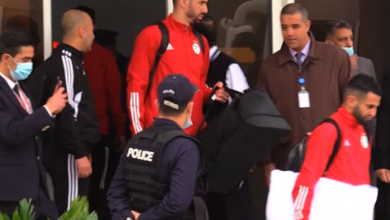
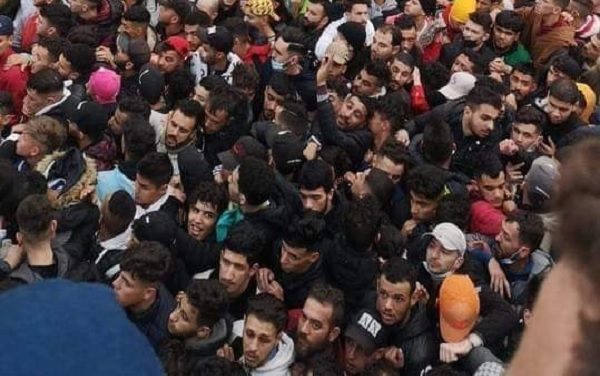
Definitely bad habits are well anchored in the management of crowds in Algeria. Three years after the death of 5 people near the stadium on August 20, 1955 during the Soolking concert, a new tragedy took place yesterday during the sale of tickets for the Algeria – Cameroon match in Blida.
As much as the Algerian supporters are praised for their fervor and their love of the jersey when they appear on the small screen, they are despised by the authorities when it comes to transport, ticket sales or access at the stadium.
Yesterday we saw the huge crowd from all over the country, rushing to the counters of the Mustapha Tchaker stadium two days before the match against Cameroon in an attempt to win the precious sesame to see the greens in the stands.
We have been denouncing this way of doing things for years, this waste of time and energy which pushes people to regularly spend entire nights outside, waiting for hours to end up having to fight and often being beaten violently by the police. for a hypothetical ticket at 500 DA, effectively creating a speculative market.
There is no miracle solution to eradicate the resale of tickets but there are solutions all the same, among them the fact of stopping the populism which wants the ticket to be sold so cheaply while the number of people ready to buy their place at 8,000 or 10,000 DA is so important.
There is obviously the dematerialized and nominative sale which is widely deployed throughout the world, a decentralized management of the ticket office through a platform but no, we want to have certain archaisms.
Abandoned on the tarmac of Douala
Also this week and in another, the public agency Touring Club Algérie – which was responsible for organizing the transport of the 1,500 supporters who left to give voice to the Japoma stadium – again distinguished itself by a chaotic management of flights return.
Indeed, if on the outward journey everything went well for the 11 flights that left Algeria (including 7 from Algiers), on the way back, the supporters found themselves practically without a contact, waiting for the distribution of passports (this kept by the agency on the outward journey to take care of the formalities).
The passports having been mixed up, people left on flights that were not theirs, tensions quickly arose and once the passport was in hand, the travelers found themselves abandoned on the tarmac of Douala airport where the Cameroonians were alone in having to manage a crowd left to their own devices, not knowing which plane to board.
This not only shows the lack of consideration towards supporters who have traveled for 24 hours without sleeping, but this contributes to leaving a bad image of the country outside.